BLUE REFLECTION Quartet Quality-of-Life Features
Compilation-wide comfort options that modernize all four titles without changing their core stories.
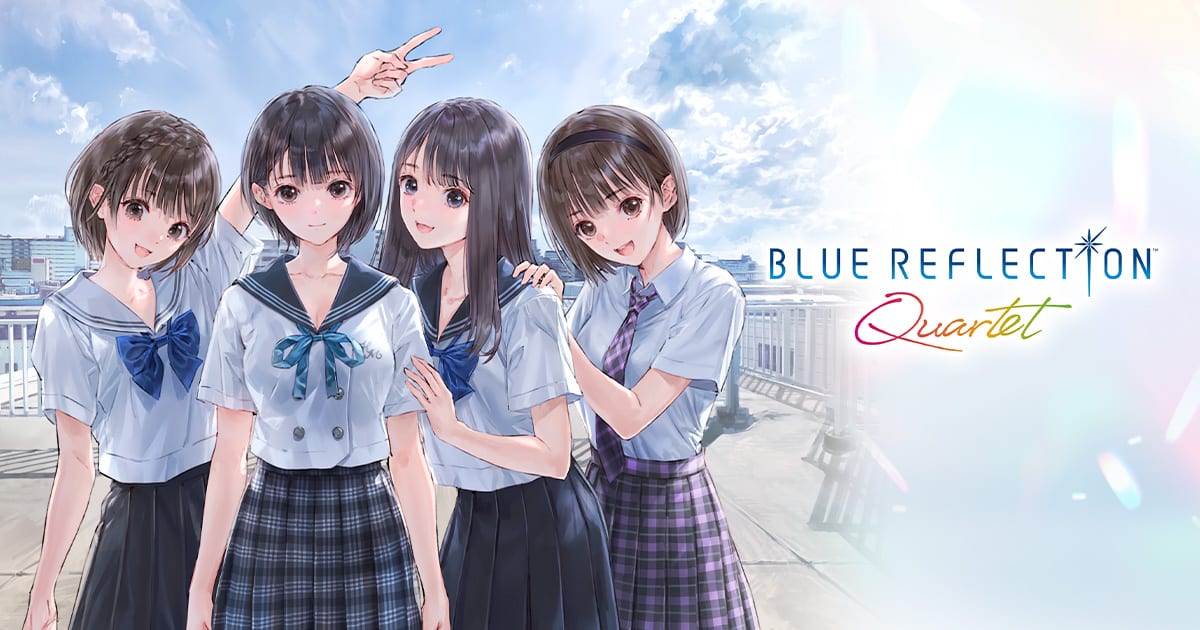
Why QoL matters in a four-game box
BLUE REFLECTION Quartet targets players who may marathon 70 to 80 hours across remasters, a condensed anime experience, a rebuilt manga RPG, and an open-world sequel. Gust’s compilation-wide quality-of-life layer reduces friction when swapping between those unlike structures—school calendars in BLUE REFLECTION, still scenes in RAY, action-heavy SUN fights, and exploration in Second Light.
These upgrades do not replace learning each game’s systems—see Systems and the per-title how-to guides—but they make repeat scenes, backtracking, and grinding less punishing than the original 2017 console releases.
Autosave behavior
Quartet preserves autosave where the original game supported it, then harmonizes expectations in the shared launcher documentation. Hinako’s RPG and Ao’s sequel both benefit from periodic checkpoints, while RAY’s shorter narrative beats may save at different story gates due to its exploration focus.
Best practices:
- Still manual save before optional bosses or bond branch points listed in Walkthrough
- Do not assume autosave covers photo mode outings in Second Light—capture sessions can span real-time hours
- Remember no save transfer between Switch and Switch 2; QoL cannot fix platform splits detailed on Platforms
Autosave complements but does not override Quartet’s rule that prior standalone saves do not import.
Faster movement
Faster movement toggles apply in hub areas where Gust flagged traversal padding—school hallways, town connectors, and select Second Light zones. Dungeons with deliberate pacing may restrict speed to preserve tension.
Enable faster movement when replaying RAY for still hunting or returning to SUN event chains you missed. Pair with Recommended play order if you are backtracking for the teased completion bonus.
Battle speed controls
Battle speed adjustments accelerate Ether animations in BLUE REFLECTION, rebuilt SUN encounters, and Second Light’s real-time-ish combat. This is the highest-impact QoL toggle for players on minimum PC specs listed in Platforms and requirements.
Tips:
- Ramp speed gradually—fast modes can hide telegraphs for new bosses
- SUN’s Second Light-derived systems reward learning combos before maxing speed; read How to play SUN
- Second Light multi-enemy fights benefit from speed but not from ignoring eight extra party members’ synergy—consult Tier list
RAY largely omits combat, so battle speed matters once you leave that module.
Event skip and fast-forward
Event skip and fast-forward target repeated cutscenes—ideal for New Game Plus patterns or when replaying Hinako after watching RAY’s still version of the same scene. Skipping is dangerous on first playthroughs where bond cues hide in dialogue.
Suggested policy:
- First run of each title: fast-forward only on knowingly repeated lines
- Completion runs: aggressive skip for gallery or bonus hunting
- Reference Database readers: skip less in SUN’s 24 new events—voice work was newly recorded
Subtitles remain vital because Japanese voice is primary across the compilation per Languages and audio.
Higher-resolution textures
Remastered BLUE REFLECTION and Second Light receive higher-resolution textures where art assets allowed upscaling. Rebuilt SUN ships with modern material work, while RAY emphasizes still art clarity over polygon counts.
PC players on GTX 1050 Ti minimum hardware may need to balance texture upgrades with battle speed to maintain framerate. PS5 and Switch 2 versions target stable performance modes; original Switch owners should expect softer backgrounds in Second Light open areas.
Photo mode in Second Light showcases texture work—pair with Photo mode and Preorder bonus frames after enabling QoL movement to reach vistas quickly.
Content adjustments for modern standards
Beyond comfort toggles, Quartet revises some legacy scenes for contemporary platform expectations. Famitsu and preview coverage note suggestive dialogue reward systems from older releases were removed or altered—a content change, not a QoL slider. Read Content changes for full rebuild and revision details versus the original 2017–2021 standalone releases.
QoL versus new content
Do not confuse comfort toggles with Quartet’s new story additions:
- New character episodes and voice lines in SUN and Second Light are content, not settings
- Eight extra party members require gameplay unlocks, not menu toggles
- Reference Database and Mel Kishida Gallery live outside QoL but reduce confusion when skipping would spoil names
See What’s Included for the full scope.
Recommended QoL profiles
| Player type | Suggested setup |
|---|---|
| Story first-timer | Moderate battle speed, limited skip |
| Veteran replay | Fast movement, aggressive skip, max battle speed |
| Photographer | Fast movement in Second Light, minimal skip to unlock areas naturally |
| PC minimum spec | Max battle speed, texture default, SSD install per Steam rec |
Adjust per session—Quartet lets you change toggles between the four icons without losing settings globally.
Related pages
Configure languages before tuning QoL on Languages and audio. Start your journey via Getting started, then dive into How to play BLUE REFLECTION through Second Light. Track patches that tweak QoL on Updates and share tips on Tools when community configs appear.
Frequently Asked Questions
Quick answers to the most common questions.
What QoL features does Quartet add?
Autosave where originally supported, faster movement, battle speed, event skip and fast-forward, and higher-resolution textures on remasters.
Does QoL apply to all four games?
Most toggles span the compilation, but RAY has limited combat so battle speed matters mainly in BLUE REFLECTION, SUN, and Second Light.
Should I use event skip on my first playthrough?
Use caution—skipping can hide bond and story cues. Fast-forward repeated lines instead until you know the scenes.
Do QoL settings replace importing old saves?
No. QoL improves comfort but Quartet still requires fresh saves with no legacy DLC import.
Were any original scenes changed in Quartet?
Yes. Some suggestive dialogue reward systems were removed or altered for modern standards—see Content changes.