BLUE REFLECTION Quartet Languages and Audio
Subtitle languages, Japanese voice coverage, and accessibility notes across all four compilation titles.
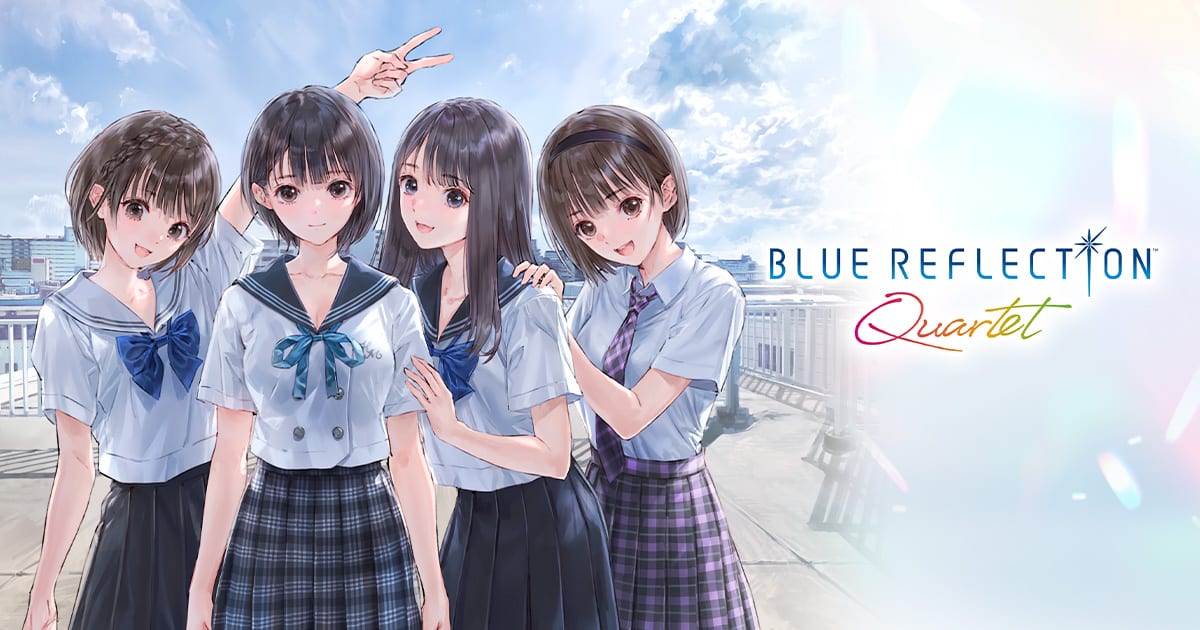
Language support overview
BLUE REFLECTION Quartet targets a broader Asian and Western audience than the original 2017 release by bundling consistent text localizations across all four games. KOEI TECMO confirmed four written languages for UI, subtitles, and menu text:
- English
- Japanese
- Traditional Chinese
- Simplified Chinese
Voice acting is a separate axis: Japanese voice is the primary and only fully voiced track across the compilation. Expect Hinako, Shiho, Ao, and the expanded Second Light cast to speak Japanese regardless of your subtitle language, with newly recorded lines for SUN episodes and added party content in Quartet. No English voice acting was announced for Western release.
This split is standard for Gust console RPGs—full dubbing in every text language is rare. Plan on reading subtitles if you prefer English dialogue, or enjoy the original performances if you understand Japanese.
What Japanese voice covers
Because Quartet remasters and rebuilds span years of production, voice scope differs by title but the audio default remains Japanese:
BLUE REFLECTION (remaster)
The Hinako-centric RPG retains its original Japanese performances with remastered audio mixing. School scenes, Reflect transformations, and Ether battles should sound cleaner than the 2017 mix, but the spoken language is unchanged.
BLUE REFLECTION: RAY (condensed playable)
RAY adapts anime pacing into playable memory fragments with exploration and still sequences. Combat is de-emphasized, which puts more weight on voiced cutscenes—subtitle readability matters here. Famitsu and official coverage confirm fully voiced, re-recorded anime lines in Japanese: every major still scene uses fresh performances tuned for interactive pacing, not recycled broadcast audio alone. RAY also adds prologue and epilogue material bridging BLUE REFLECTION and SUN.
BLUE REFLECTION: SUN (rebuilt)
SUN benefits most from newly recorded voice lines tied to the 24 added events and character episodes. Even veterans of the portable storyline will encounter fresh performances in rebuilt scenes.
Second Light (remaster plus extras)
The sequel adds voices for eight extra party members imported from RAY and SUN. Bond events and photo mode banter inherit the Japanese-first approach; check Characters for cast lists while avoiding spoilers.
Text language by platform
All supported platforms—PS5, Switch, Switch 2, and Steam—offer the same four text languages at launch. Differences emerge in input method, not translation files:
- Steam lets you swap languages before launch via Properties; verify downloaded voice packs if optional installs appear post-release on Updates
- Consoles use system-language hints but in-game menus override independently—set text inside Quartet’s launcher to avoid mismatches
None of the text languages alter Recommended play order; story sequence stays the same.
Subtitle accessibility tips
Magical-girl jargon—Reflect, Ether, Sephirot, and school club names—appears frequently. Subtitles help, but font size and contrast vary by game era:
- Use compilation event skip and fast-forward after reading repeated lines in QoL features
- Pause during RAY still scenes to read longer paragraphs
- Second Light open-world banter can overlap ambient audio; adjust music sliders in settings when available
If you rely on English text, keep UI language aligned with subtitles to prevent mixed-language menu drift when hopping between four titles in one session.
New recordings versus legacy audio
Quartet explicitly does not import old DLC or save bonuses, but it does add:
- Fresh voice work for SUN rebuild episodes
- Lines supporting new Second Light party interactions
- Updated mixing for remastered cutscenes
Players hoping for English dubs should temper expectations—none were announced for Quartet. Fans seeking performance trivia can cross-reference the Mel Kishida Gallery and Reference Database for character names while listening in Japanese.
Regional purchase considerations
Traditional Chinese and Simplified Chinese support simplify purchases for Taiwan, Hong Kong, and mainland audiences without importing Japanese SKUs. However, Nintendo Switch and Switch 2 remain separate products with no save transfer—choose the eShop region you will maintain for 70 to 80 hours of play.
Steam’s global storefront lists all text languages on app 3825390; console boxes may still print regional legal text even when in-game languages match. PC requirements for running UTF fonts sit in Platforms and requirements.
Voice and text in related wiki sections
Gameplay guides assume you can read mechanics in your chosen language:
- How to play BLUE REFLECTION — school and battle terms
- How to play RAY — still-heavy dialogue pacing
- How to play SUN — rebuilt battle callouts
- How to play Second Light — photo mode UI labels
Systems and walkthrough pages on Systems and Walkthrough mirror the same localization set.
Related pages
Return to the Collection overview, compare What’s Included for per-game scope, and plan sessions with Getting started once your language settings are locked.
Frequently Asked Questions
Quick answers to the most common questions.
Which text languages does Quartet support?
English, Japanese, Traditional Chinese, and Simplified Chinese for UI and subtitles across all four games.
Is there English voice acting?
No. Japanese voice is the primary audio track throughout the compilation. Use subtitles for other languages.
Are RAY's anime scenes fully voiced?
Yes. RAY features fully voiced, re-recorded Japanese anime lines for the playable adaptation—not subtitles-only stills.
Are the new SUN episodes fully voiced?
Yes. Rebuilt SUN content includes newly recorded Japanese voice lines for added events and character episodes.
Can I change language between the four games?
Quartet uses a shared launcher—set text language there before jumping between titles to keep menus consistent.
Do language options differ on Switch versus Switch 2?
Translation files match, but the platforms are separate products with no save transfer—pick one Nintendo SKU for your playthrough.