What's Included in BLUE REFLECTION Quartet
Remasters, rebuilds, condensed anime playthroughs, and sequel enhancements—every SKU explained in one place.
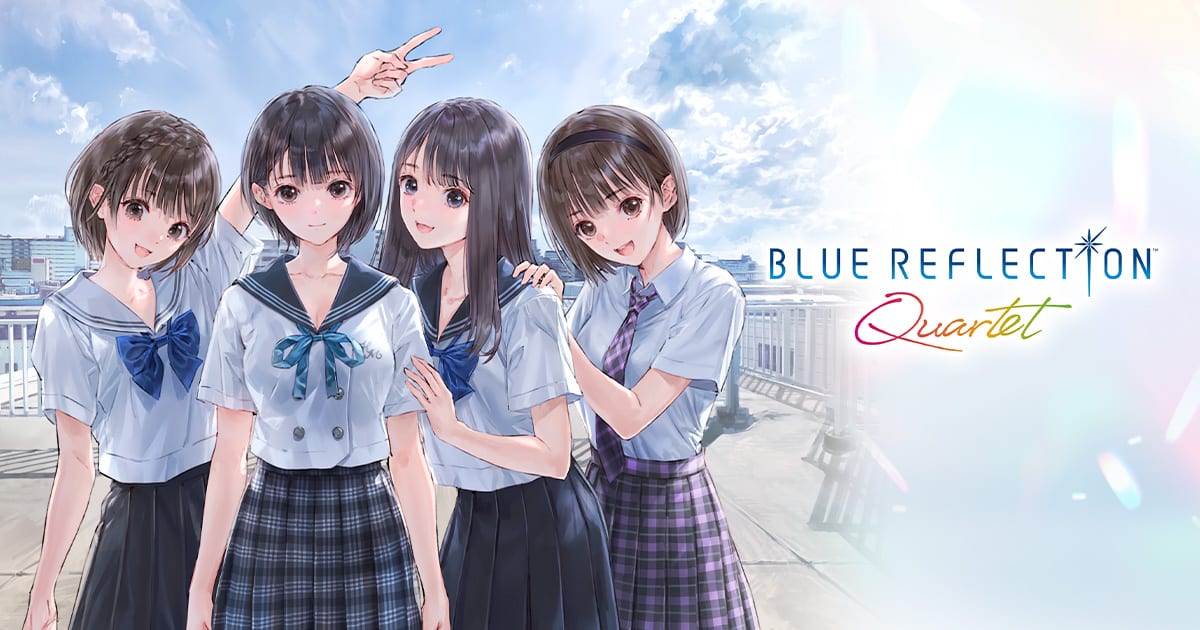
Four titles, four different engineering goals
BLUE REFLECTION Quartet is not four identical remasters stacked in a menu. Gust and KOEI TECMO approached each entry based on what the source material needed: faithful HD upgrades for the core RPGs, a playable distillation for the anime, a ground-up rebuild for the manga storyline, and a sequel remaster that folds in characters and modes from across the franchise.
Understanding those differences helps you set expectations before you commit 70 to 80 hours. Some games are full combat JRPGs; one is deliberately light on battles. Some add dozens of new scenes; others preserve the original pacing with sharper visuals. This page is the authoritative checklist—pair it with the Collection overview and Recommended play order.
BLUE REFLECTION (2017) — remastered foundation
The package opens with BLUE REFLECTION, the 2017 PlayStation 4 and PC magical-girl school RPG starring Hinako Shirai. Quartet’s version is a remaster, not a remake: the story beats, dungeon structure, and Reflect heart system remain familiar to veterans, but textures run at higher resolution and the compilation’s global quality-of-life toggles apply.
Expect the classic loop of school daytime social links, Otherworld dungeon crawling, and Ether battle animations that made the original a cult Gust title. Newcomers should start here for the cleanest introduction to Reflect mechanics—our How to play BLUE REFLECTION guide walks through combat and bonding without spoilers.
BLUE REFLECTION: RAY — condensed anime experience
RAY adapts the anime retelling of Hinako’s arc. In Quartet it appears as a playable condensed experience built around exploration and illustrated stills rather than traditional RPG combat. You still move through locations and trigger narrative beats, but the focus is cinematic presentation and environmental storytelling, not grinding or party management.
Treat RAY as a bridge piece: ideal after the original game if you want to see the same events through an anime lens, or as a shorter entry if you already know Hinako’s story and want the highlights. It pairs naturally with the Reference Database when you compare timeline branches. Gameplay specifics live in How to play RAY.
BLUE REFLECTION: SUN — rebuilt with Second Light systems
SUN covers Shiho Kasuga’s manga storyline. Quartet ships a rebuilt console remake that replaces the old portable battle flow with systems derived from BLUE REFLECTION: Second Light. That means faster, more modern combat readability, updated UI, and design language that matches the sequel you will play last in the suggested order.
Content additions are substantial: 24 events plus new character episodes with newly recorded voice work exclusive to this compilation. SUN is the best proof that Quartet is more than upscaled ports—Gust rewrote key interactions so Shiho’s arc feels cohesive beside Hinako’s and Ao’s. Dive into mechanics via How to play SUN and cross-check party planning on the Systems hub.
BLUE REFLECTION: Second Light — remaster plus franchise extras
The sequel remaster closes the saga with Ao Hoshizaki’s open-world adventure. Quartet’s Second Light adds:
- Eight extra party members drawn from RAY and SUN, letting you field favorites across timelines in the sequel’s free-roaming structure
- Photo mode additions, including frames tied to preorders—see Preorder bonuses
- Compilation-wide quality-of-life such as battle speed, event skip, and fast-forward documented in QoL features
Second Light remains the longest single title in the set. Budget time for side quests, photography, and optional bond events. Our How to play Second Light page covers exploration, photography, and combat depth; endgame planners should also skim the Tier list.
Compilation extras bundled with every purchase
Every Quartet license includes menu-accessible tools outside the four game icons:
Reference Database
Timelines and relationship charts map connections between students, Reflectors, and supporting cast across all four narratives. Use it when a name from RAY appears in Second Light, or when SUN events reference Hinako’s classmates. The dedicated Reference Database and Gallery guide explains how to navigate entries without spoilers.
Mel Kishida Gallery
Character designer Mel Kishida’s artwork is collected into a browsable gallery—key art, costume variants, and promotional pieces that previously scattered across art books and social channels. It is the closest thing to a digital museum for the franchise’s pastel aesthetic.
Included legacy costumes and Japan physical options
Quartet does include two legacy costume sets confirmed July 4, 2026:
- BLUE REFLECTION School Swimsuits — originally an early-purchase exclusive for the 2017 game
- Second Light Ao’s Summer Bikini — same early-purchase origin for the sequel
These ship for all buyers without a separate store transaction. Most other standalone DLC packs remain excluded—read Included DLC for the full list versus What is not included.
Japan also receives physical Standard, Premium, and Special Collection boxes for PS5 and Switch at launch; the West remains digital-only in official messaging. Collector details: Japan editions.
What Quartet deliberately excludes
Transparency matters for buyers:
- No carry-over of most prior DLC beyond the two costume sets above
- No import of old save files or platform-exclusive bonuses from earlier SKUs
- No save transfer between Nintendo Switch and Nintendo Switch 2 versions—they are separate products
Instead, Quartet adds new voice lines and character episodes recorded for this release. If you owned SUN on a legacy platform, you still need to replay to see the rebuilt scenes—but you gain Second Light-grade combat while doing so.
Suggested reading order on this wiki
After this checklist, continue with Platforms and requirements for hardware planning, Languages and audio for subtitle setup, and Getting started for a first-session roadmap into the Walkthrough and Characters hubs.
Frequently Asked Questions
Quick answers to the most common questions.
Is RAY a full RPG in Quartet?
No. RAY is a condensed, playable take on the anime focused on exploration and stills rather than combat grinding. It is shorter and more narrative-driven than the other three titles.
How is SUN different from the original portable release?
Quartet rebuilds SUN with Second Light battle systems, adds 24 events and new character episodes, and includes freshly recorded voice lines—not a simple resolution bump.
Which Second Light content is new to Quartet?
Eight additional party members from RAY and SUN, photo mode enhancements, and compilation QoL toggles join the remastered sequel base. Details in QoL features.
Does Quartet include the Reference Database and gallery?
Yes. Both the timeline or relationship Reference Database and the Mel Kishida Gallery ship with every edition—see Reference Database guide.
Will my old BLUE REFLECTION DLC unlock here?
School Swimsuits are included for all buyers. Most other legacy DLC and save bonuses are not—see Included DLC.
Are Japan physical editions different from digital?
Core game content matches digital SKUs. Japan boxes add physical goods and may include serial codes—Japan editions.