BLUE REFLECTION Quartet Character Relationships Across Quartet
Bond charts, thematic parallels, and crossover links between all four Reflector stories—structured to minimize major spoilers.
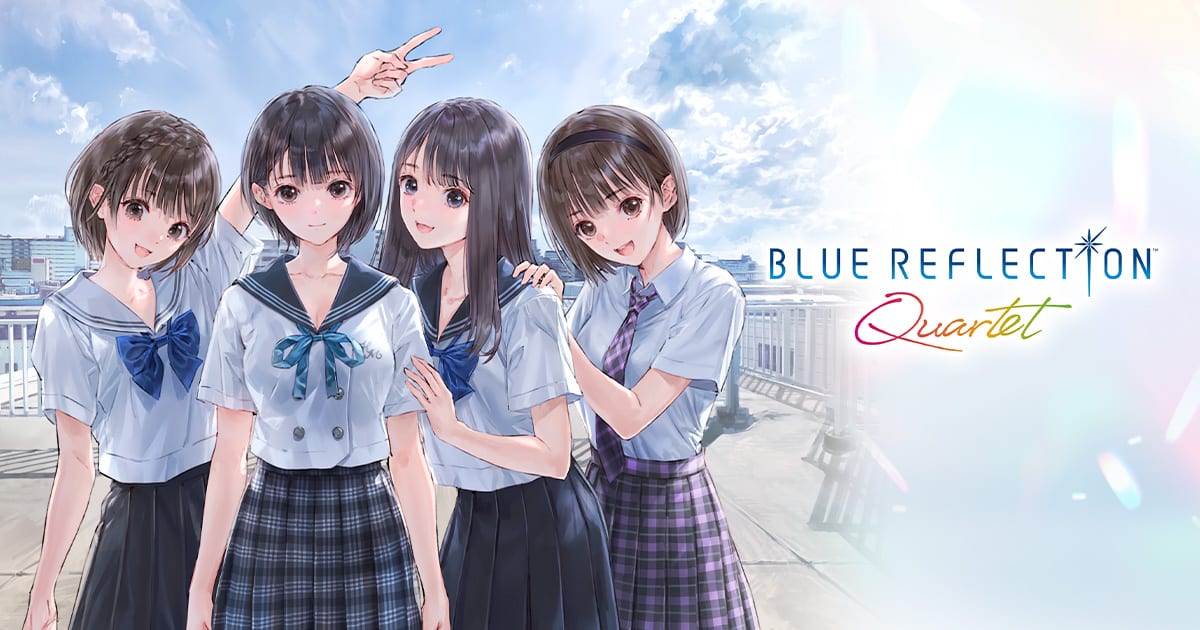
Relationships in BLUE REFLECTION Quartet span four protagonists, dozens of Supports, and a shared metaphysics of emotion called the Common. This page maps how casts connect thematically and mechanically without narrating finale twists. Read individual character pages for cast lists and pair this overview with title-specific walkthroughs when scheduling Free Time or character episodes.
Thematic parallels between protagonists
Each lead confronts a gap between who they were and who they must become:
Hinako Shirai — Loss of ballet defines her injury arc; friendship restores agency.
Hiori Hirahara — Athletic duty meets fear of failing people she protects.
Ruka Hanari — Quiet empathy balances Hiori’s drive; their partnership is RAY’s emotional spine.
The SUN Leader — Team command forces choices about who to prioritize when calendars conflict.
Ao Hoshizaki — Transfer trauma and performance anxiety echo Hinako’s identity crisis with new school context.
These parallels are intentional. Quartet’s Reference database groups entries so players notice motifs across games—use getting started if you are new to the franchise vocabulary.
Support bonds and gameplay
Supports are not merely romance routes; they grant Skills and reveal coping strategies for each protagonist. Twin Supports Yuzuki and Lime anchor Hinako’s daily rhythm. SUN’s Shiho, Yukiko, and Nanaka triangulate leadership pressure on the Leader. Ao’s circle—Kokoro, Rena, Yuki—mixes intimacy with classroom politics.
Free Time and episode systems express bonds numerically through ranks. Higher ranks unlock Skills and scenes but rarely change core plot order. Walkthrough pages note critical ranks; this page stresses that emotional payoff scales with investment even when combat min-maxes ignore certain Supports.
Cross-title links (spoiler-light)
Quartet makes structural connections explicit:
- Terminology from Hinako’s era (Reflector, Ether, Sephirot) persists through RAY exploration, SUN rebuild events, and Ao’s finale.
- RAY memory shards recontextualize anime-era relationships without requiring viewers to memorize every episode.
- SUN episodes deepen characters who later appear as Second Light recruits.
- Second Light recruitment quests reference home-title events for eight RAY/SUN party members.
We avoid stating specific blood relations, timeline shocks, or Common-origin reveals here—those belong in-game after you finish each title.
Rivalry, mentorship, and antagonism
Antagonists in the saga often mirror protagonists’ suppressed feelings. School figures—teachers, club leaders, classmates—mediate social pressure before Otherworld escalation. Treat apparent rivals as potential Supports until the story proves otherwise; Gust frequently redeems or complicates antagonistic figures through Free Time.
Relationship routing tips by title
BLUE REFLECTION: Split early Free Time between combat Supports and Yuzuki/Lime to avoid skill bottlenecks.
RAY: Alternate Hiori- and Ruka-led segments so both sides of the partnership register in Reference entries.
SUN: Finish one character episode chain before starting competing chains on the same calendar week when warned.
Second Light: Prioritize Supports who complement your recruit plans; crossover characters assume you know their home dynamics.
Detailed schedules live in each walkthrough page.
Photo Mode and cosmetic bonds
Quartet adds Photo Mode poses—including Yuzuki and Lime in Second Light—that express nostalgia rather than new narrative canon. Collect them if Gallery completion matters; they do not replace Free Time ranks for combat Skills.
Using relationships for completion planning
The completion bonus tracker cares about clears and Reference thresholds more than max ranks, but relationship scenes populate Reference categories. Log finished episodes and shard sets in the completion checklist to avoid backtracking across four games.
When to read this page
Skim before starting Quartet for vocabulary. Re-read after each title credits sequence when you can tolerate mild structural spoilers about connections between games. Avoid external wikis that assume mobile-only SUN or pre-Quartet RAY releases—they may mislabel rebuild scenes.
Quick reference by title
BLUE REFLECTION pairs Hinako with twin Supports; bonds express through Free Time ranks that unlock Skills. RAY centers Hiori and Ruka trust; shards feed Reference entries. SUN ties the Leader to Shiho, Yukiko, and Nanaka through character episodes gated on the event calendar. Second Light layers Ao’s Supports with eight crossover recruits unlocked via quests. Use this summary when planning weekly goals in the playtime planner.
Frequently Asked Questions
Quick answers to the most common questions.
Are relationships romance-only routes?
No. Supports cover friendship, mentorship, rivalry, and teamwork. Mechanical benefits come from ranks and episodes, not route labels alone.
Do I need max bonds in all four games for the completion bonus?
Story clears are the baseline. Reference-heavy completion may need key episodes and shards—see completion bonus.
How do RAY and SUN characters relate to Ao?
They join as recruitable allies with quests referencing their home stories. Details stay minimal here to avoid spoilers.
Are Hinako and Ao connected directly?
Quartet encourages thematic parallels across protagonists. Specific lore connections are best discovered in-game after both stories.
Where do Yuzuki and Lime fit the relationship map?
They are Hinako's twin Supports and franchise icons. Quartet extends their presence via Photo Mode and ongoing lore references.
Which guide helps schedule bonds efficiently?
Use title walkthroughs—BLUE REFLECTION, RAY, SUN, Second Light—plus the playtime planner.